Taza: Morocco Forgotten Frontier
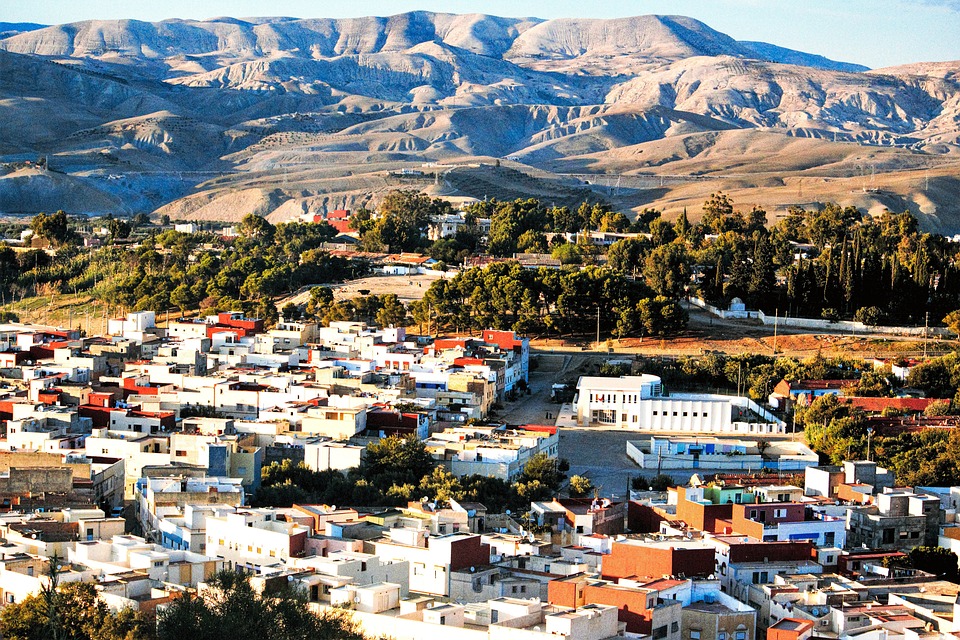
Walking through Upper Taza is like stepping into a forgotten chapter of Moroccan history.
Hamid Mernissi is a Moroccan writer, traveler, and observer of life who was born and raised in the ancient Medina of Fez. His work grows from a lifetime of wandering, through cities, deserts, cultures, and ideas, always searching for the quiet wisdom hidden in everyday experiences. Trained as much by the streets of his childhood as by books and journeys across the world, Hamid writes about memory, culture, dignity, travel, and the human spirit.
From the road
SufismMany have tried to explain its origins. Some traced the word to Safaa, purity. Others to Suf, the garb of wool worn by early ascetics. Some even linked it to the Greek word Sophia, meaning wisdom. There are also those who connect it to the Ahl al-Suffae, the companions who lived in simplicity during
Topics covered
7
destinations & themes
Live
Stories published
7+ articles
Walking through Upper Taza is like stepping into a forgotten chapter of Moroccan history.
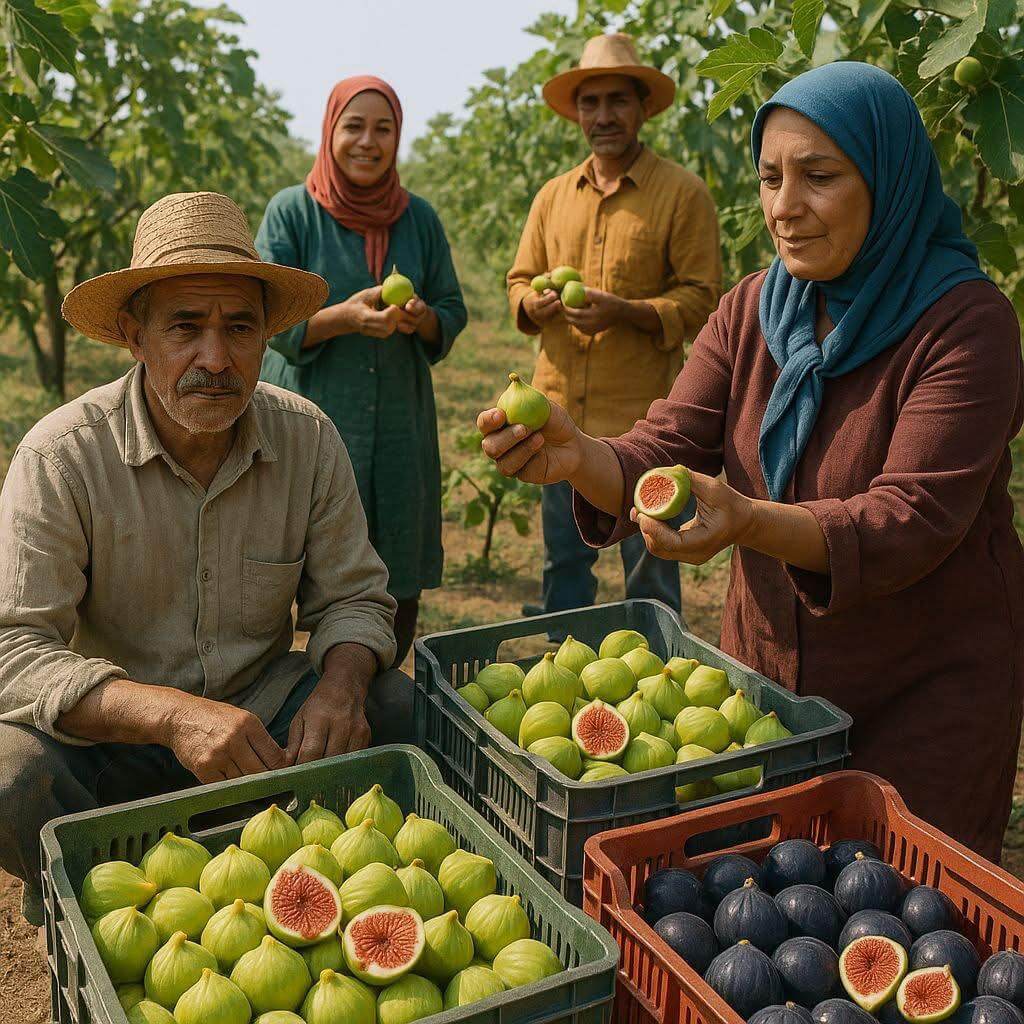
Figs are rich in soluble fiber, powerful antioxidants, and essential minerals like calcium and magnesium that support bone structure. Olives provide monounsaturated fatty acids and vitamin E, enhancing nutrient absorption from figs and protecting cells against chronic inflammation and cancer.
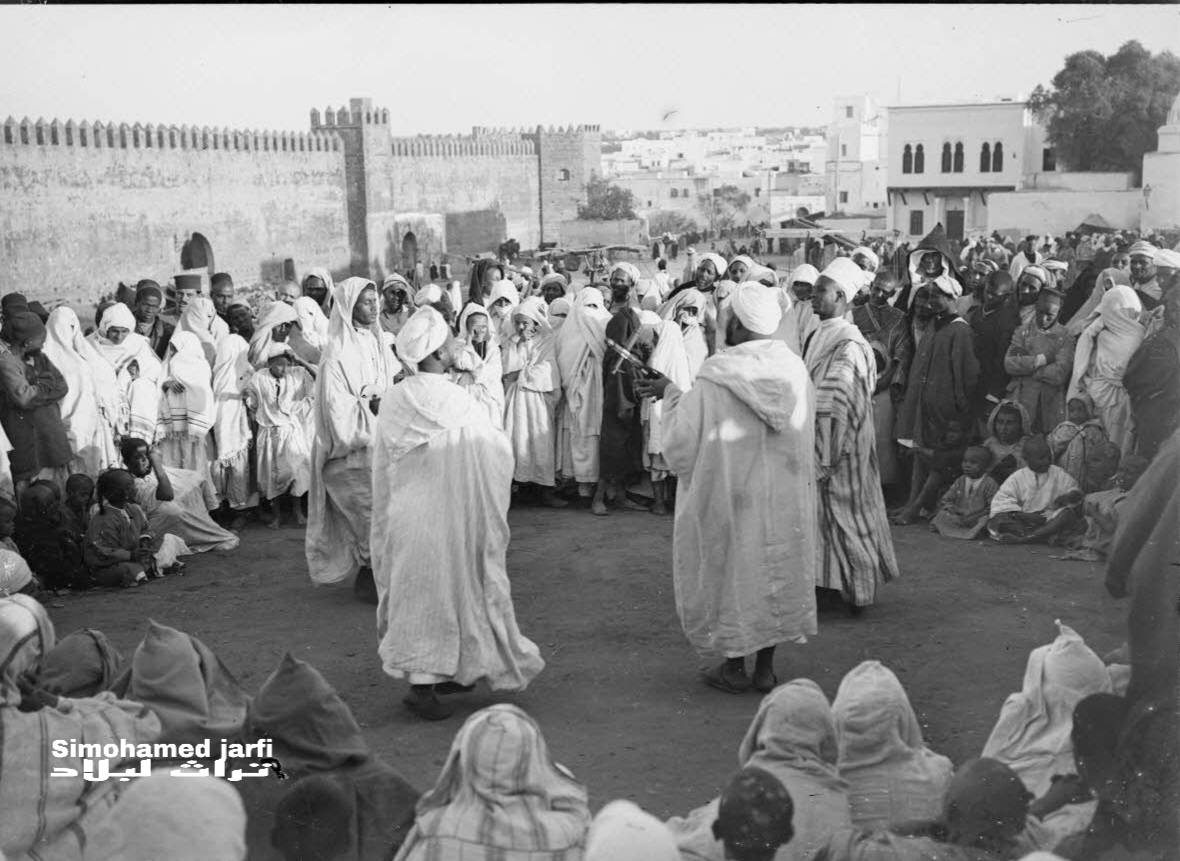
The word Halqa simply means "circle." In practice, it was far more than a circle. It was an open-air theater, a classroom, a newspaper, a parliament, and sometimes even a ministry of information.
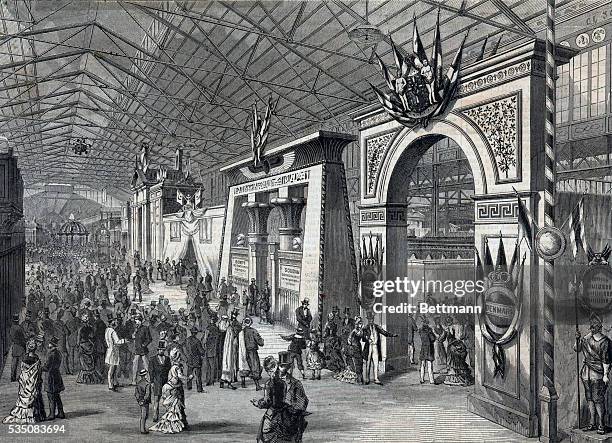
In 1876, as the United States celebrated the centennial of its independence with the grand Philadelphia Centennial Exhibition, one nation arrived carrying not the machinery of the Industrial Revolution, but the timeless elegance of an ancient civilization. That nation was Morocco.
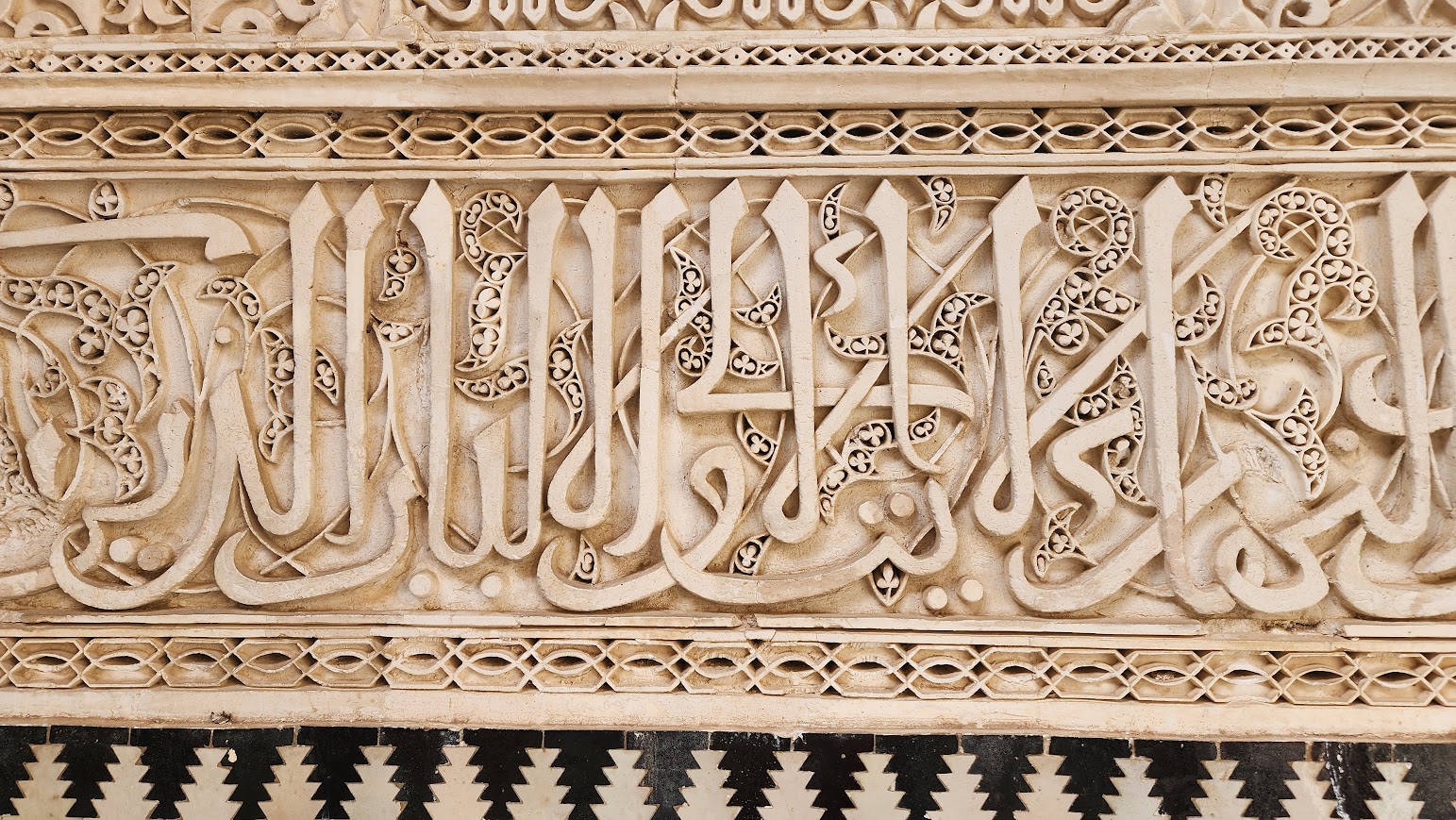
The story most often told about Al-Busiri is itself a lesson in divine grace. Afflicted by illness and physical paralysis, he composed his celebrated ode in praise of the Prophet ﷺ and entrusted his suffering to Allah
This article analyses the relationship between language and historical context in the production of scientific knowledge, arguing that detaching scientific language from its historical context transforms science from an open knowledge system into a closed, normative structure.
For a long time, Morocco was home to millions of donkeys, and their presence extended beyond the domestic sphere. Trade in donkeys, particularly toward neighboring regions, formed a significant part of the rural economy, reminding us that value is not always found in what is celebrated but often in