Taza: Morocco Forgotten Frontier
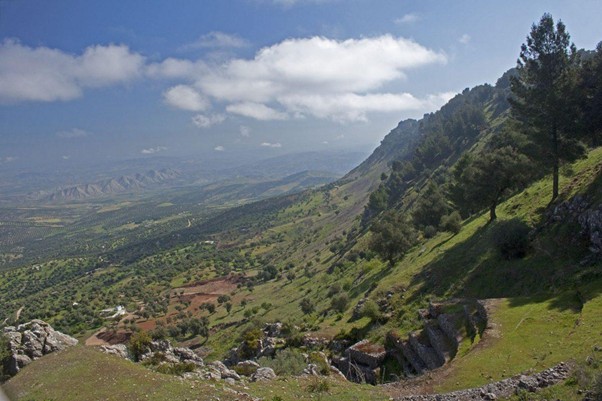
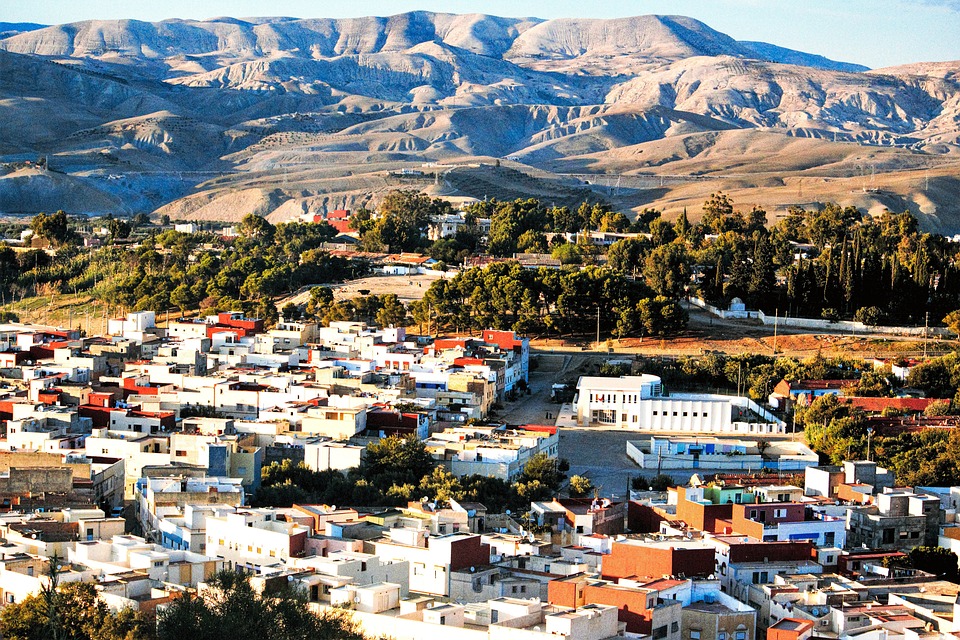
Walking through Upper Taza is like stepping into a forgotten chapter of Moroccan history.
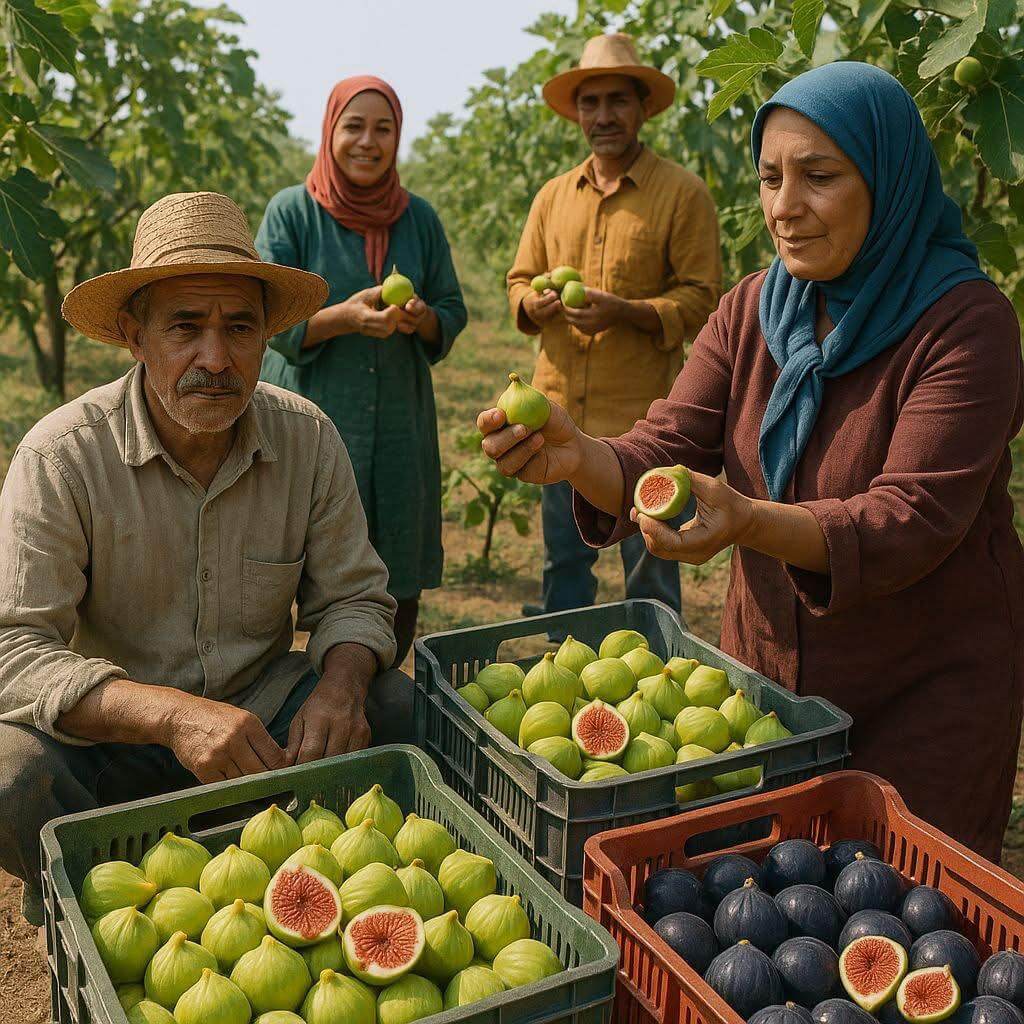
Figs are rich in soluble fiber, powerful antioxidants, and essential minerals like calcium and magnesium that support bone structure. Olives provide monounsaturated fatty acids and vitamin E, enhancing nutrient absorption from figs and protecting cells against chronic inflammation and cancer.
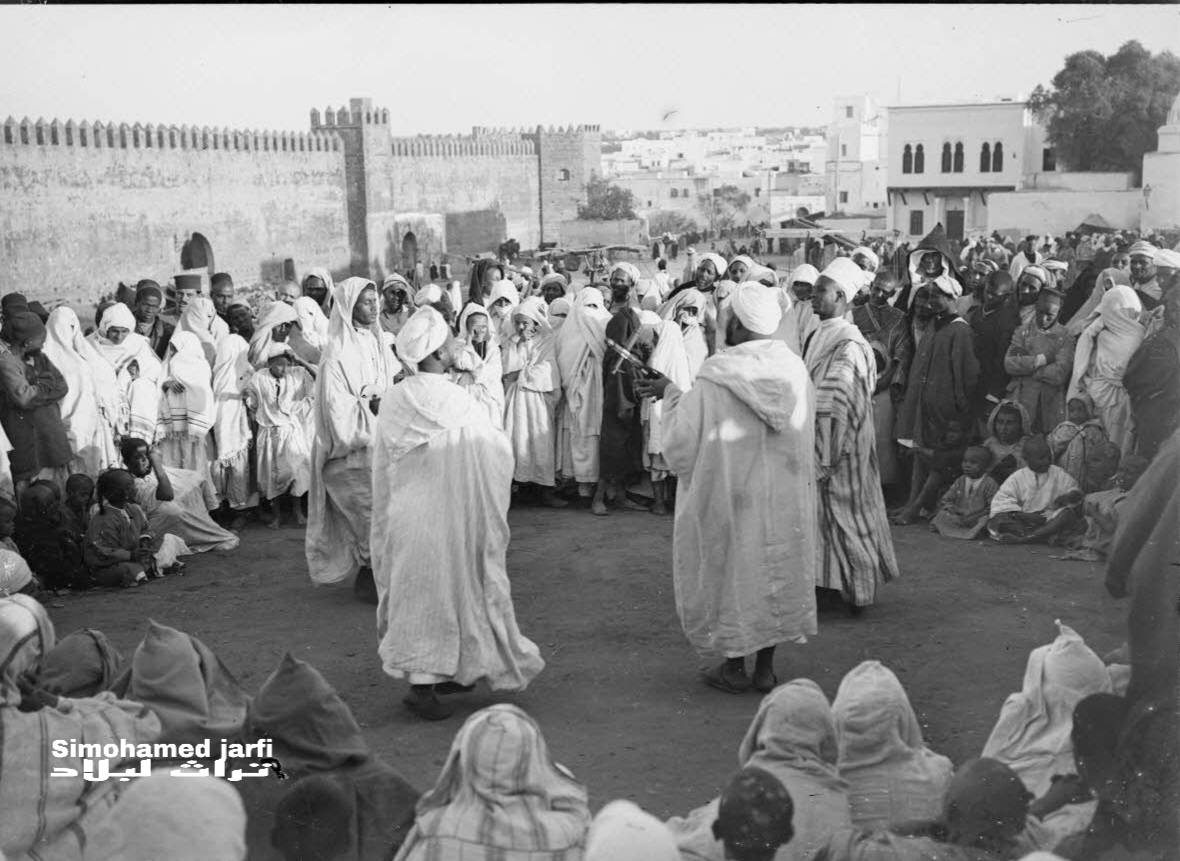
The word Halqa simply means "circle." In practice, it was far more than a circle. It was an open-air theater, a classroom, a newspaper, a parliament, and sometimes even a ministry of information.
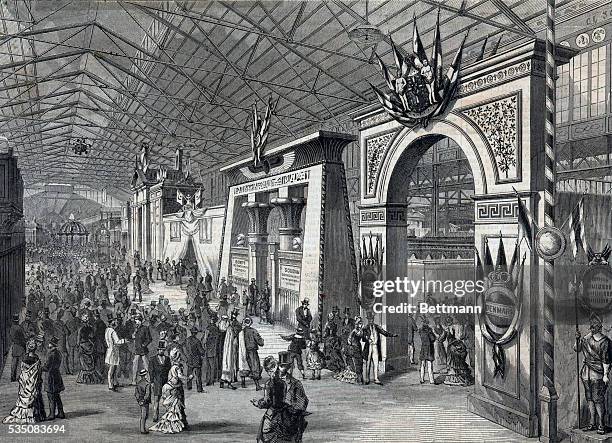
In 1876, as the United States celebrated the centennial of its independence with the grand Philadelphia Centennial Exhibition, one nation arrived carrying not the machinery of the Industrial Revolution, but the timeless elegance of an ancient civilization. That nation was Morocco.
This article analyses the relationship between language and historical context in the production of scientific knowledge, arguing that detaching scientific language from its historical context transforms science from an open knowledge system into a closed, normative structure.
The memory of this transformation remains inscribed in the very geography of Fez. Neighborhoods such as Zqaq al-Rumman, with its orchards, and the broader Lamti quarters near Bab Guissa, still carry the imprint of that early presence.
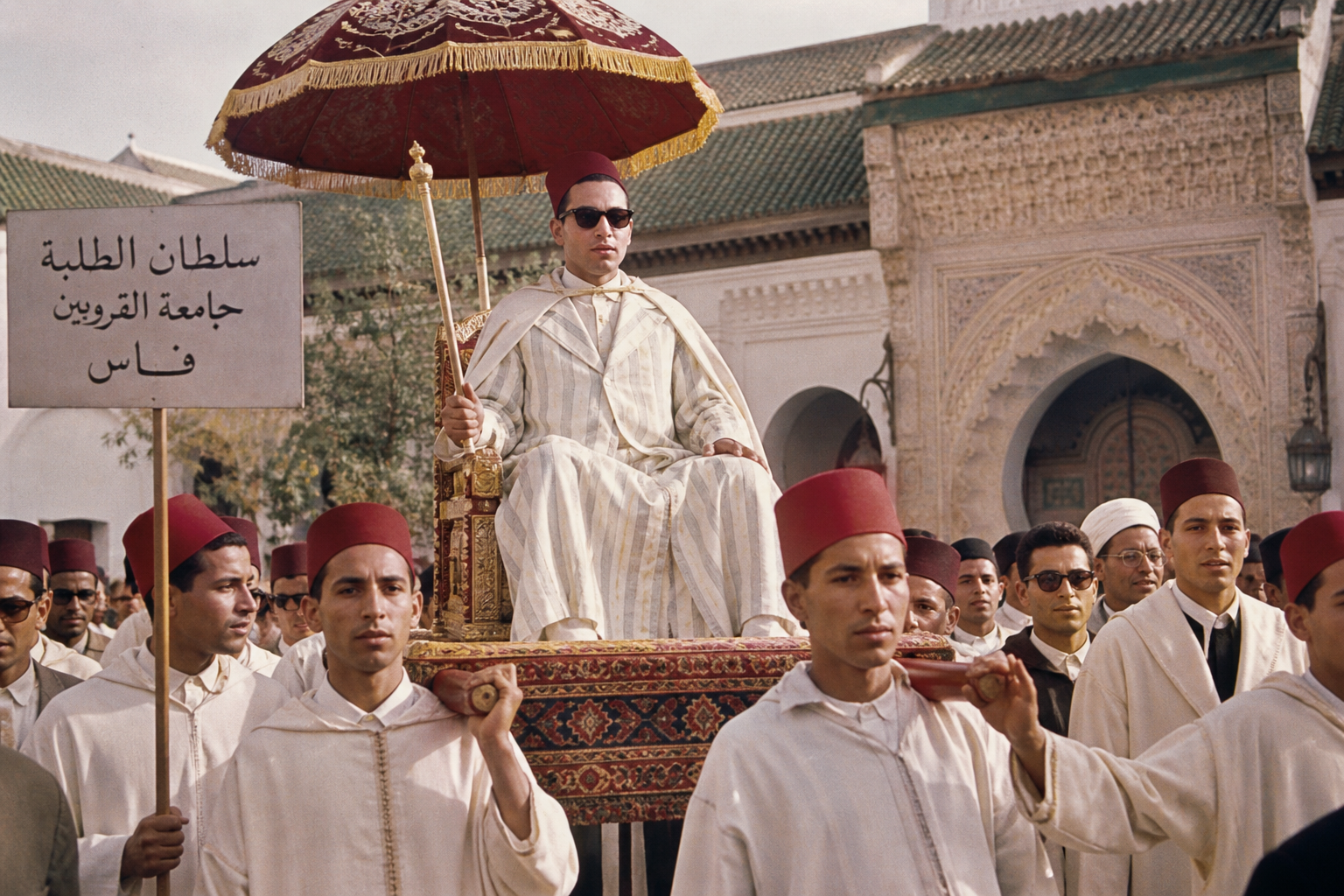
The talba, students in the modern sense, but in truth seekers on a path, were not merely recipients of knowledge
To stand at the grave of a righteous person, then, is not to step outside of Islam. It is to stand within a tradition that understands that faith is not only law and doctrine, but also memory, presence, and love.
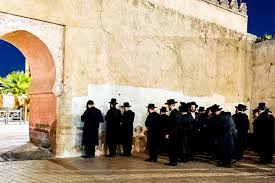
At first glance, the act appears simple: travelers pausing to pray. Yet in a land such as Morocco, where space carries layered meanings, no gesture is ever entirely neutral. The question that arises is not only what was done, but how it was read, and why it resonated so deeply.