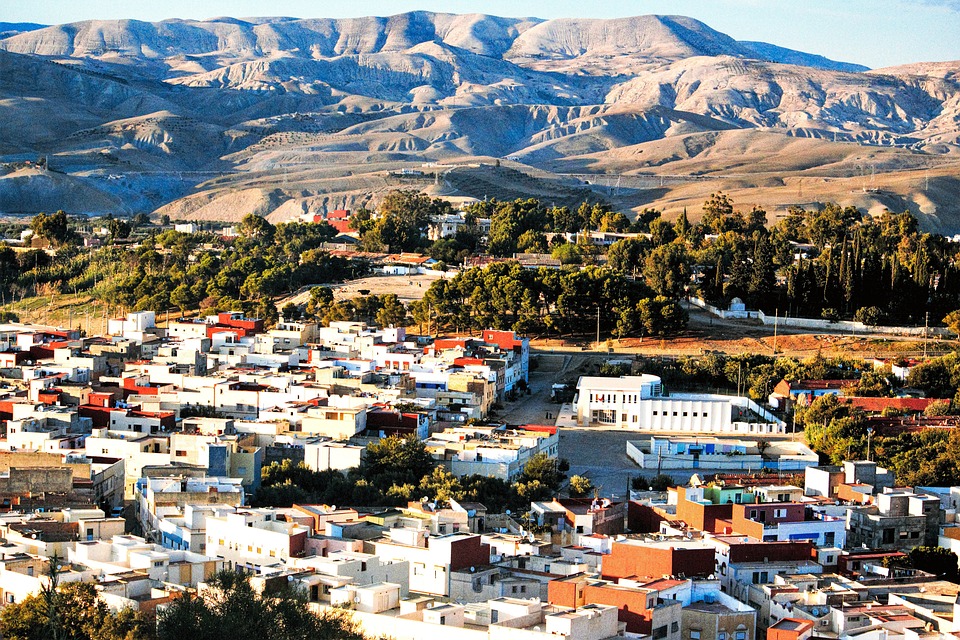
Taza: Morocco Forgotten Frontier
Walking through Upper Taza is like stepping into a forgotten chapter of Moroccan history.
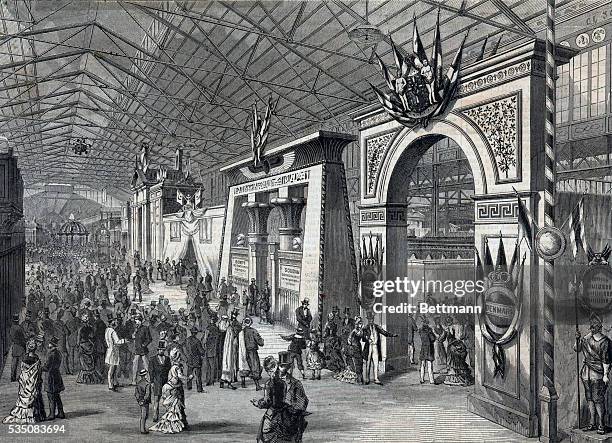
In 1876, as the United States celebrated the centennial of its independence with the grand Philadelphia Centennial Exhibition, one nation arrived carrying not the machinery of the Industrial Revolution, but the timeless elegance of an ancient civilization. That nation was Morocco.
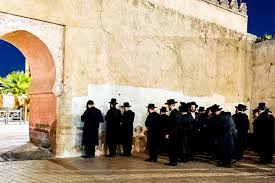
At first glance, the act appears simple: travelers pausing to pray. Yet in a land such as Morocco, where space carries layered meanings, no gesture is ever entirely neutral. The question that arises is not only what was done, but how it was read, and why it resonated so deeply.
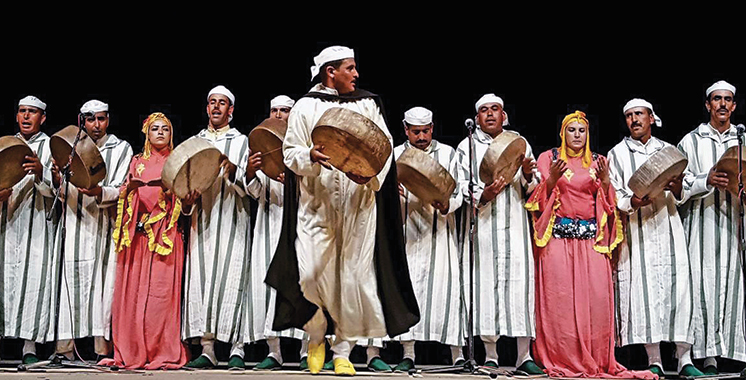
They call us Imazighen. They call us Ait Oumalou, people of the shadow. Yes, we live in shadow: the shade of forests, the shadow of mountains, the quiet side of the sun. But in that shadow, we see clearly.
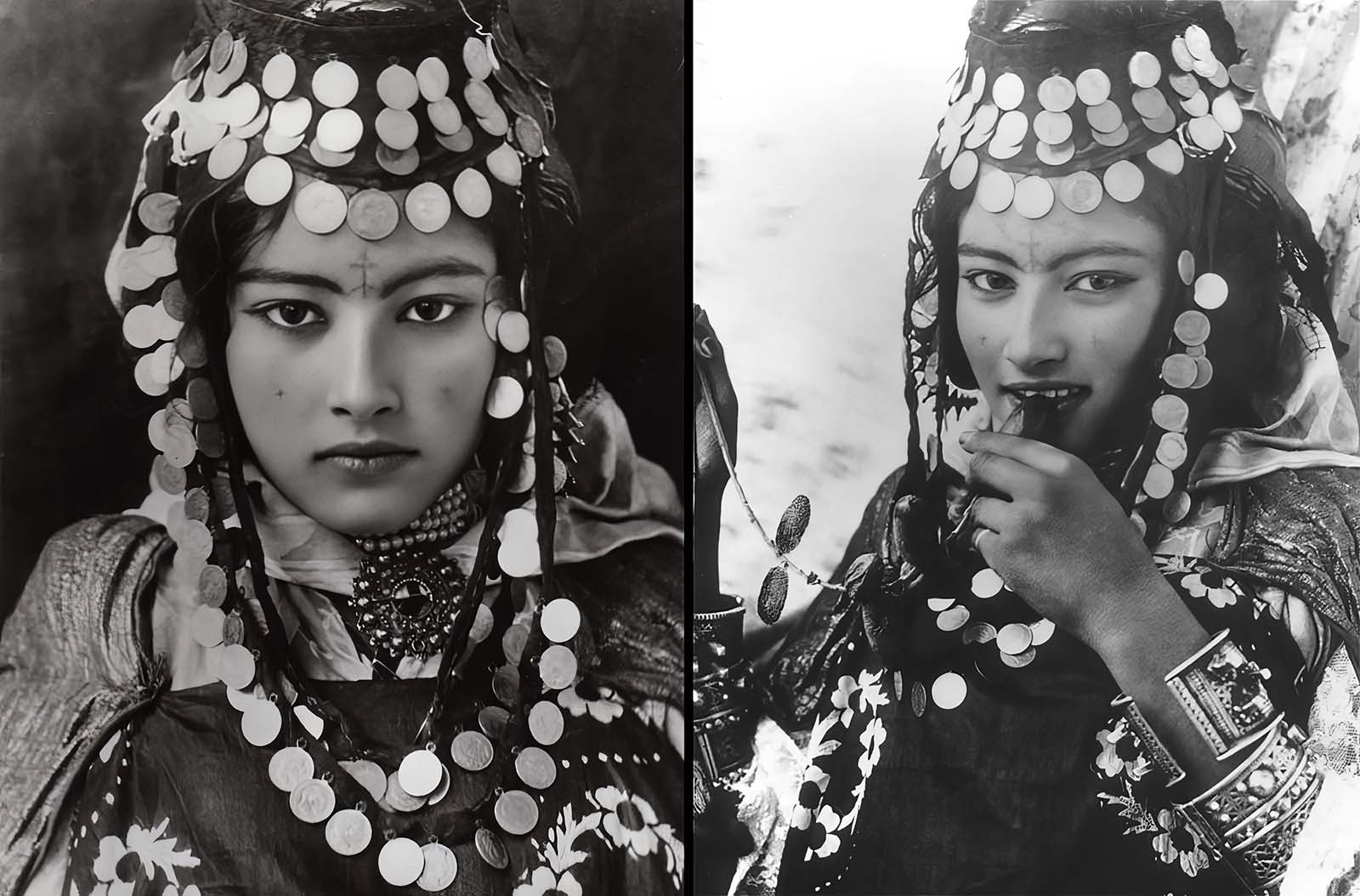
The Nayliyyāt bracelet becomes an emblem of a lived experience, of a journey fulfilled and a duty completed. It is not merely an ornament, but a quiet declaration of passage. Worn daily, it reflects maturity, responsibility, and a new place in the community's fabric.
The Moors: A civilization, reduced to a name. But the Sahara remembers differently. It does not speak in generalities. It speaks in lineage, in belonging, in the quiet precision of who is whose son.
Sustainability, for us, is not an offset or a label; it is accountability. When you wake up where you build, you listen differently. You observe the seasons, the water, the soil, and the needs of the nearby farmers.
An in-depth cultural traveler is not defined by how far they go, how long they stay, or how many places they visit. They are defined by how they arrive.
Active Travel as a Cultural PracticeActive travel is often misunderstood.It is frequently reduced to effort, performance, or adventure for its own sake. But in...