Khénifra: The Hidden Heart of Morocco
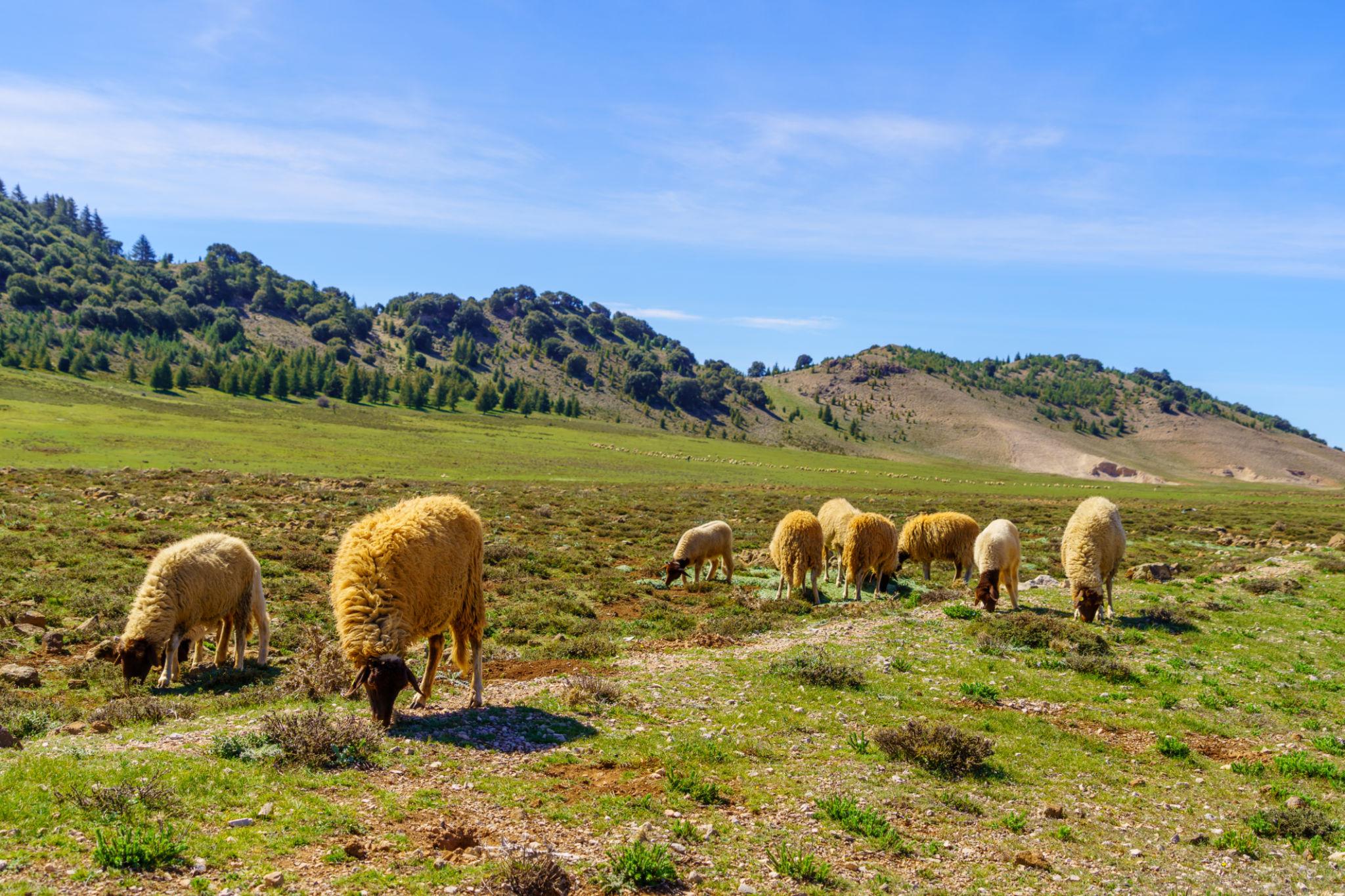
Most travelers know Morocco through its imperial cities, deserts, and coastlines. Few realize that the true heart of the country beats quietly in the Middle Atlas Mountains.
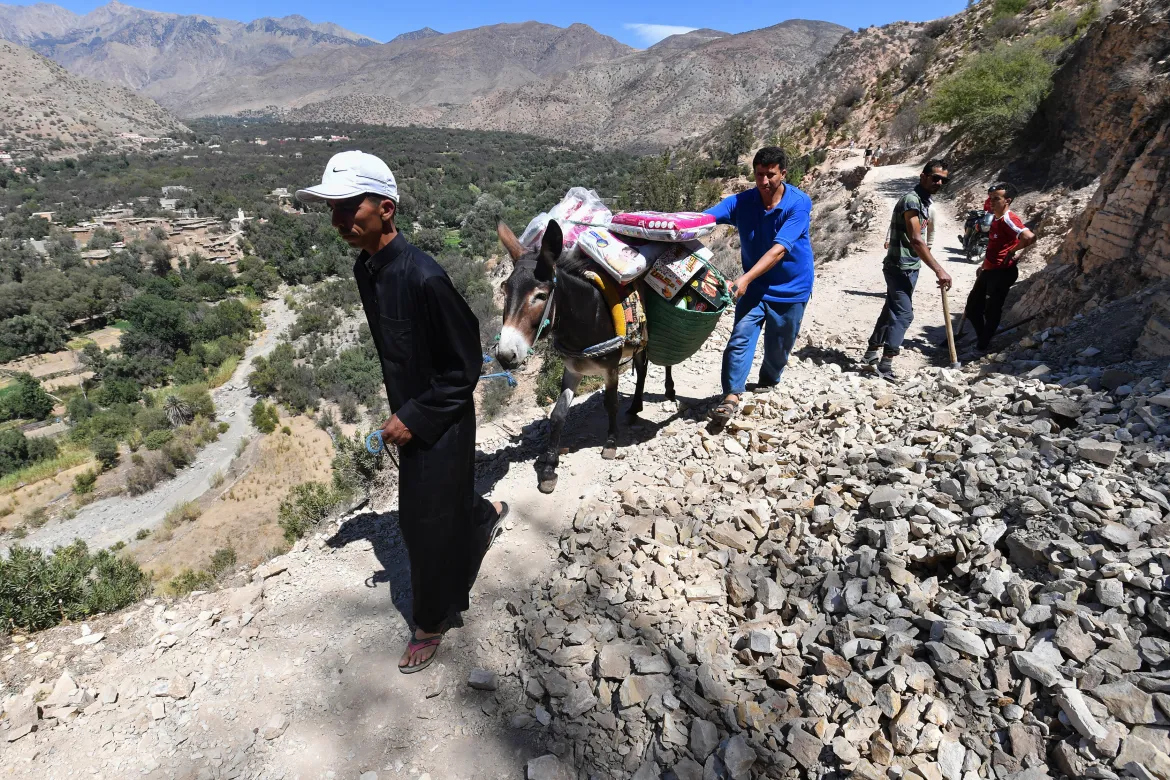
For a long time, Morocco was home to millions of donkeys, and their presence extended beyond the domestic sphere. Trade in donkeys, particularly toward neighboring regions, formed a significant part of the rural economy, reminding us that value is not always found in what is celebrated but often in
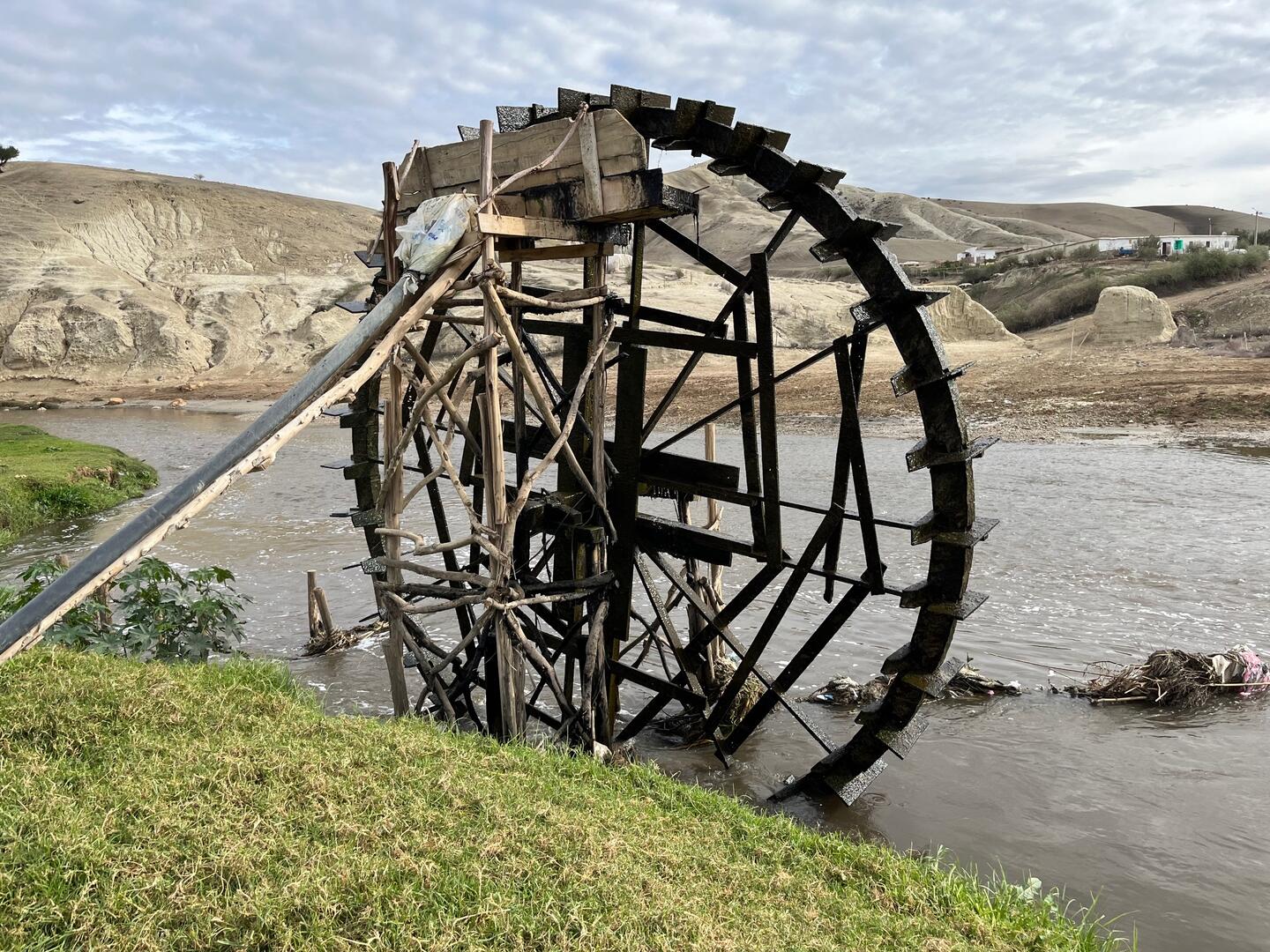
Morocco, for example, is not simply reacting to environmental pressure; it is rethinking its relationship with its own land, water, and energy.
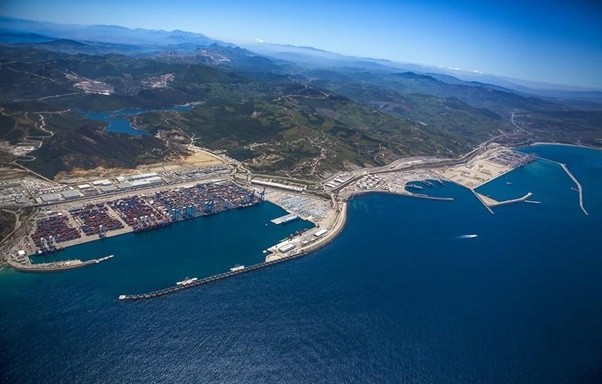
Morocco, long described as a crossroads, has begun to outgrow that passive image. A crossroads receives; it does not direct. What is unfolding today is something more deliberate, a reorientation in which the Kingdom is no longer only a place of passage, but a place that organizes passage.
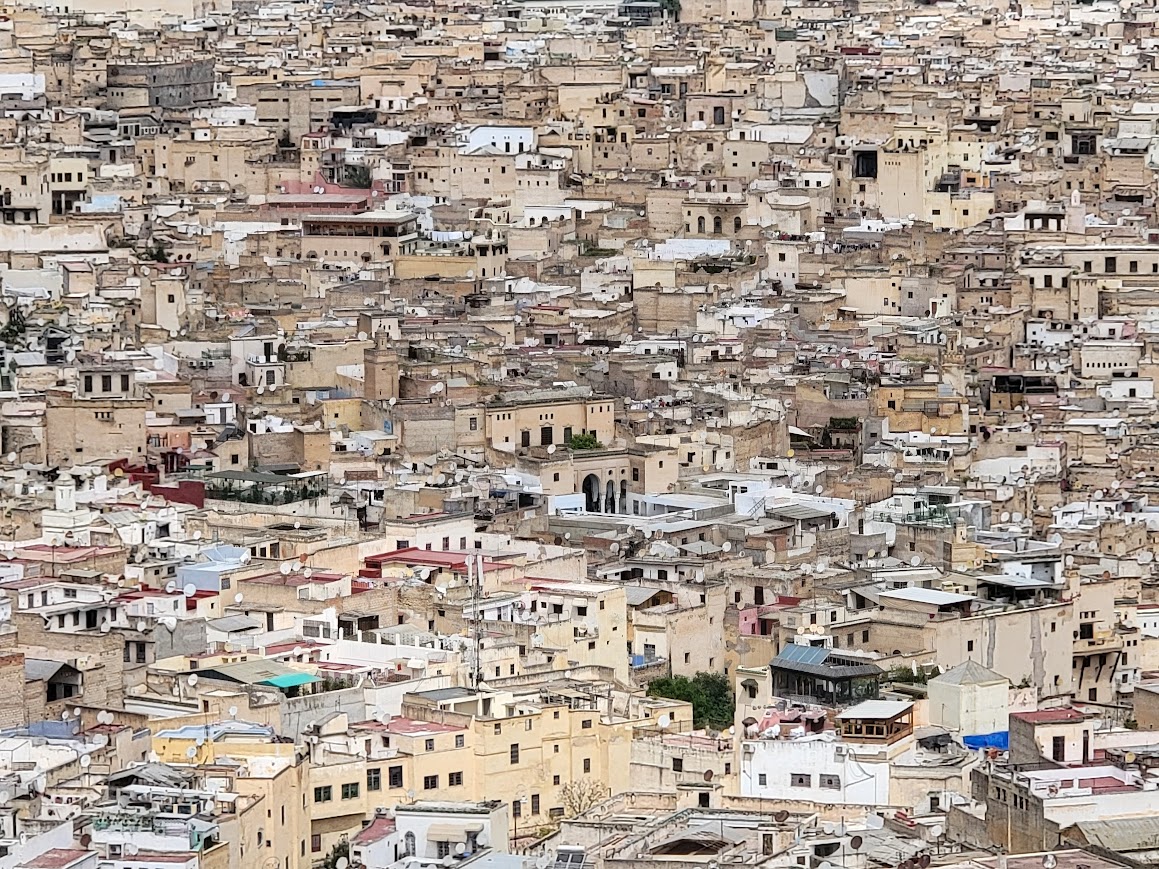
You lived close to others without feeling crowded. You watched without staring. You listened without intruding. You learned to feel space even when space was narrow.
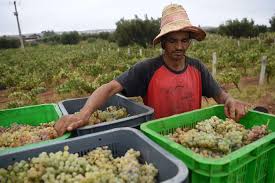
A “Green Plan” that recognizes the dignity of small-scale farming could do more than increase production. It could restore independence, reduce migration, and allow rural life to remain rooted where it belongs.
The Untapped Stability of Rural Morocco Saturation and Fragility Rural Tourism as Economic Circulation in Morocco Morocco’s Strategic Opportunity The Role of Ethical Operators A Long-Term Vision for Rural Tourism in Morocco