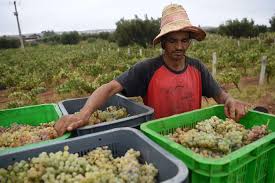
Why Rural Morocco Is the Future of Sustainable Tourism
When something matters, it must be articulated fully.
For decades, Moroccan tourism has been concentrated in a few iconic centers: Marrakech, Fez, Casablanca, and Agadir. These cities have carried the visibility, the infrastructure, and the volume.
But the long-term sustainability of Morocco’s tourism does not lie only in its cities.
It lies in its rural landscapes.
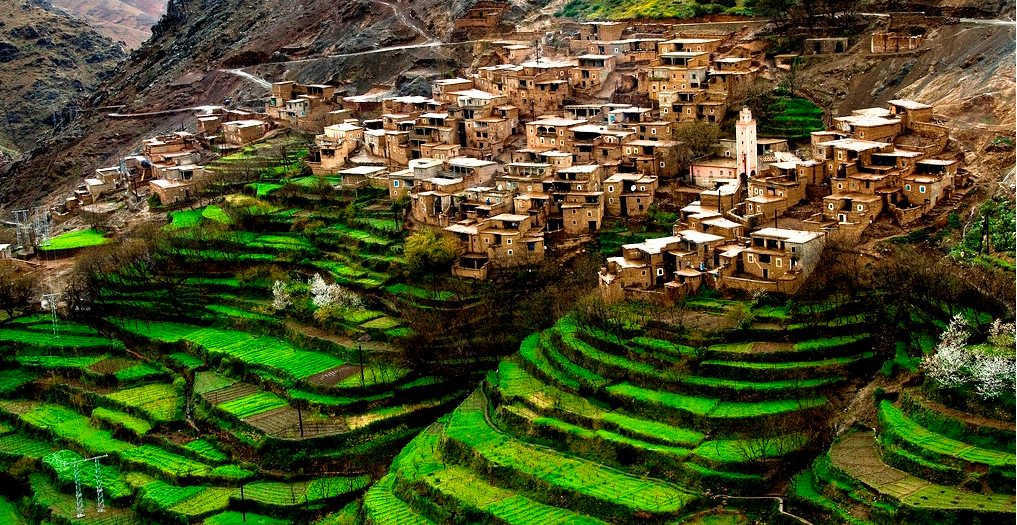
The Untapped Stability of Rural Morocco
Rural Morocco is not an empty space between destinations. It is the living foundation of the country:
• agricultural systems
• pastoral traditions
• craft transmission
• water management knowledge
• intergenerational family networks
These systems have sustained Morocco long before tourism existed.
When tourism strengthens these systems, it becomes regenerative.
When it bypasses them, it creates an imbalance.
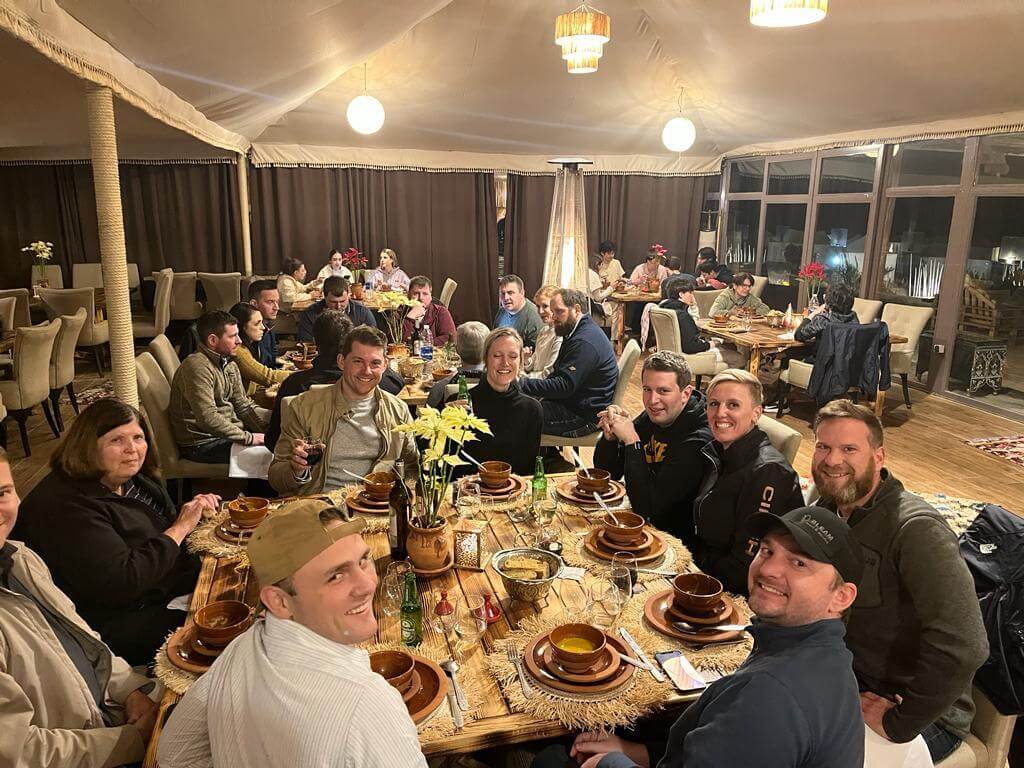
Saturation and Fragility
Urban tourism hubs eventually reach saturation:
• rising property prices
• pressure on infrastructure
• cultural fatigue
• displacement of local residents
• environmental stress
These patterns are not unique to Morocco. They are global.
If growth continues to concentrate only in urban centers, strain becomes inevitable.
Rural tourism offers distribution.
Distribution creates balance.
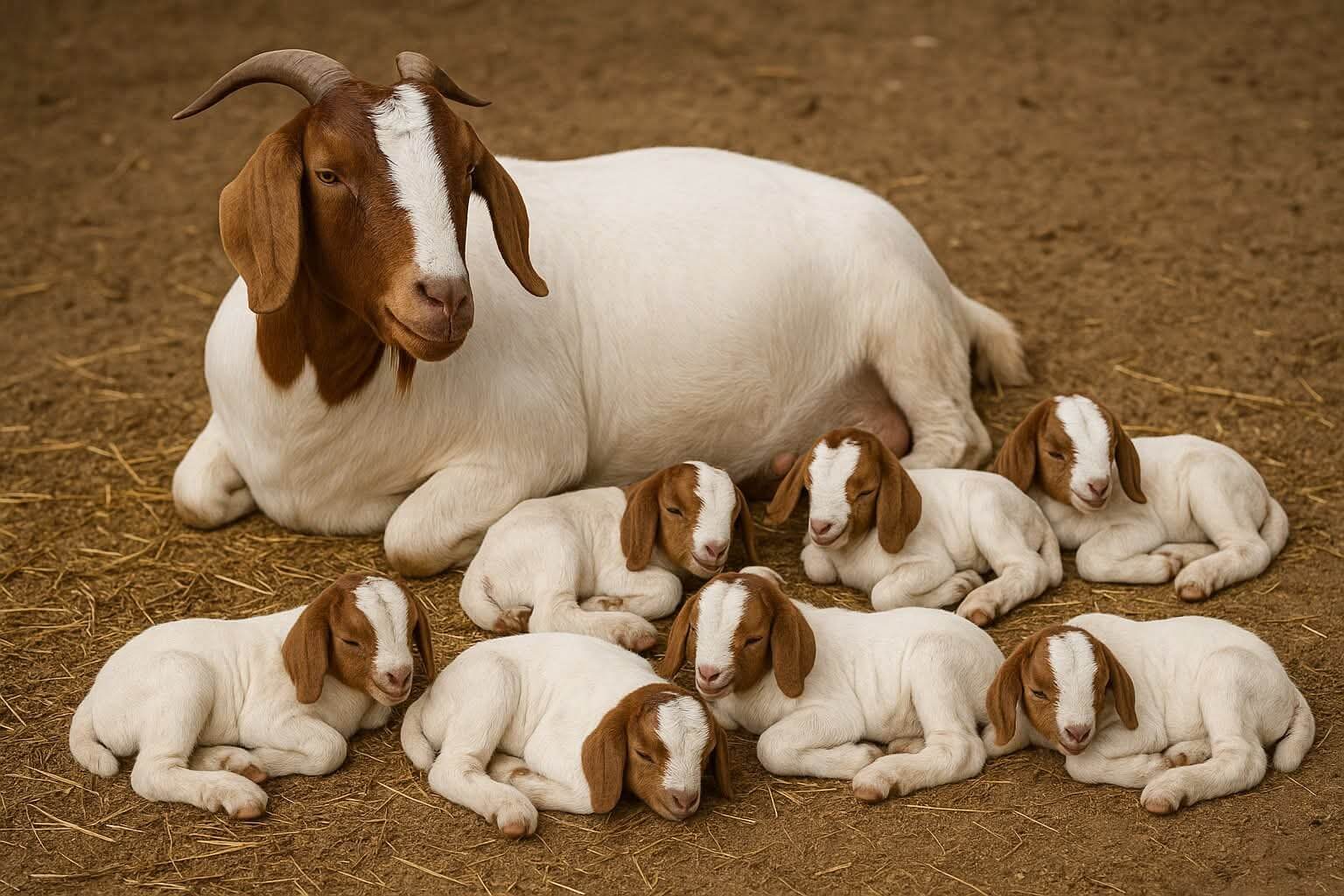
Rural Tourism as Economic Circulation
Investing in rural tourism does not mean building large resorts in villages. It means:
• supporting small-scale accommodations
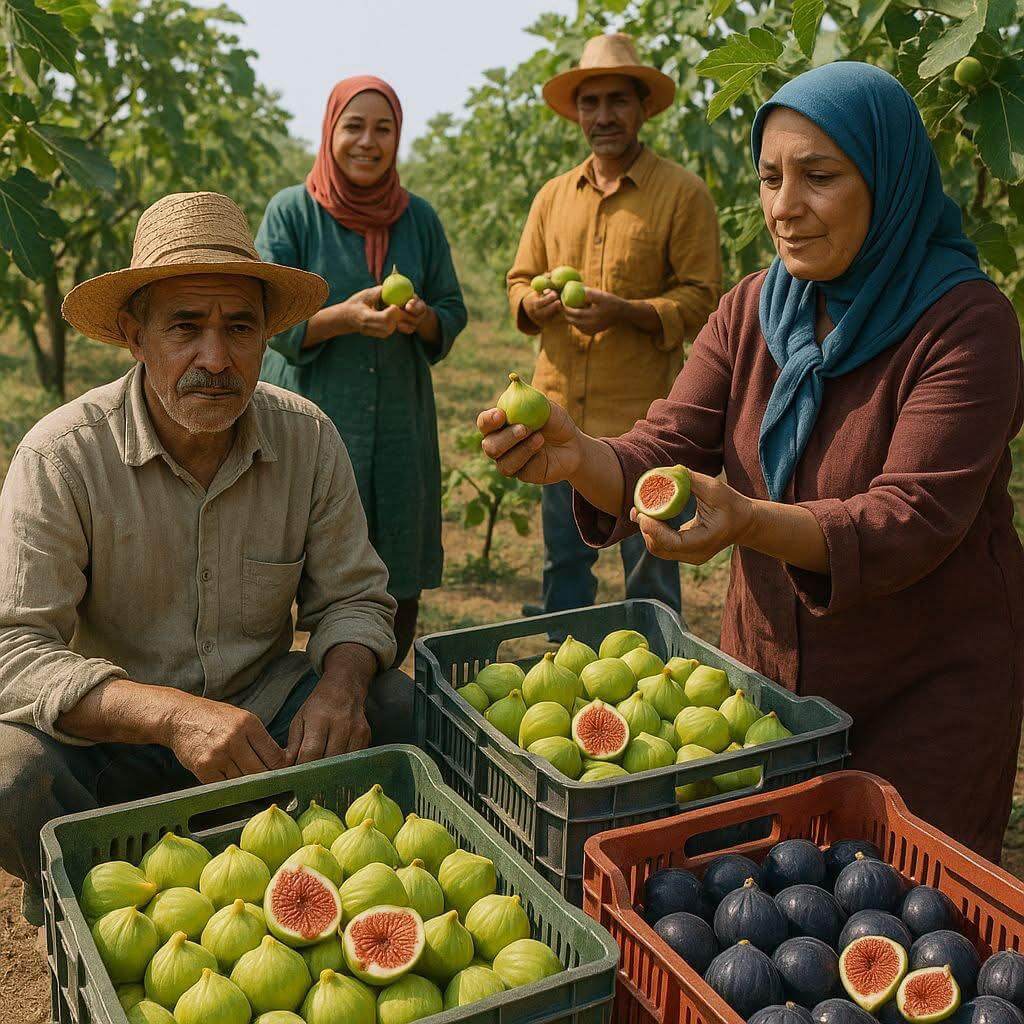
• strengthening agricultural tourism
• empowering women’s cooperatives
• developing walking and caravan routes
• integrating local food systems
• creating training pathways for rural youth
When income circulates locally, rural communities gain economic resilience.
Economic resilience reduces migration pressure.
It strengthens social stability.
It preserves cultural continuity.
Tourism is a complementary economy, not a replacement.
Morocco’s Strategic Opportunity
Morocco already possesses the ingredients to lead in rural tourism:
• geographic diversity
• strong regional identities
• infrastructure is improving steadily
• governmental investment in human development
• a tradition of hospitality embedded in rural culture
With coordinated planning, rural Morocco can become a model of distributed tourism development — not only for North Africa, but globally.
If the locomotive of rural equity is strengthened, the entire tourism train stabilizes.
A Shift in Mindset
Rural Morocco must not be treated as a secondary add-on to “main attractions.”
It is not an excursion.
It is an ecosystem.
Policies that support rural tourism should focus on:
• training local operators
• preserving land ownership
• limiting speculative development
• encouraging small-group travel
• maintaining environmental thresholds
Growth must be intelligent, not accelerated blindly.
The Role of Ethical Operators
Private companies have a role to play.
By:
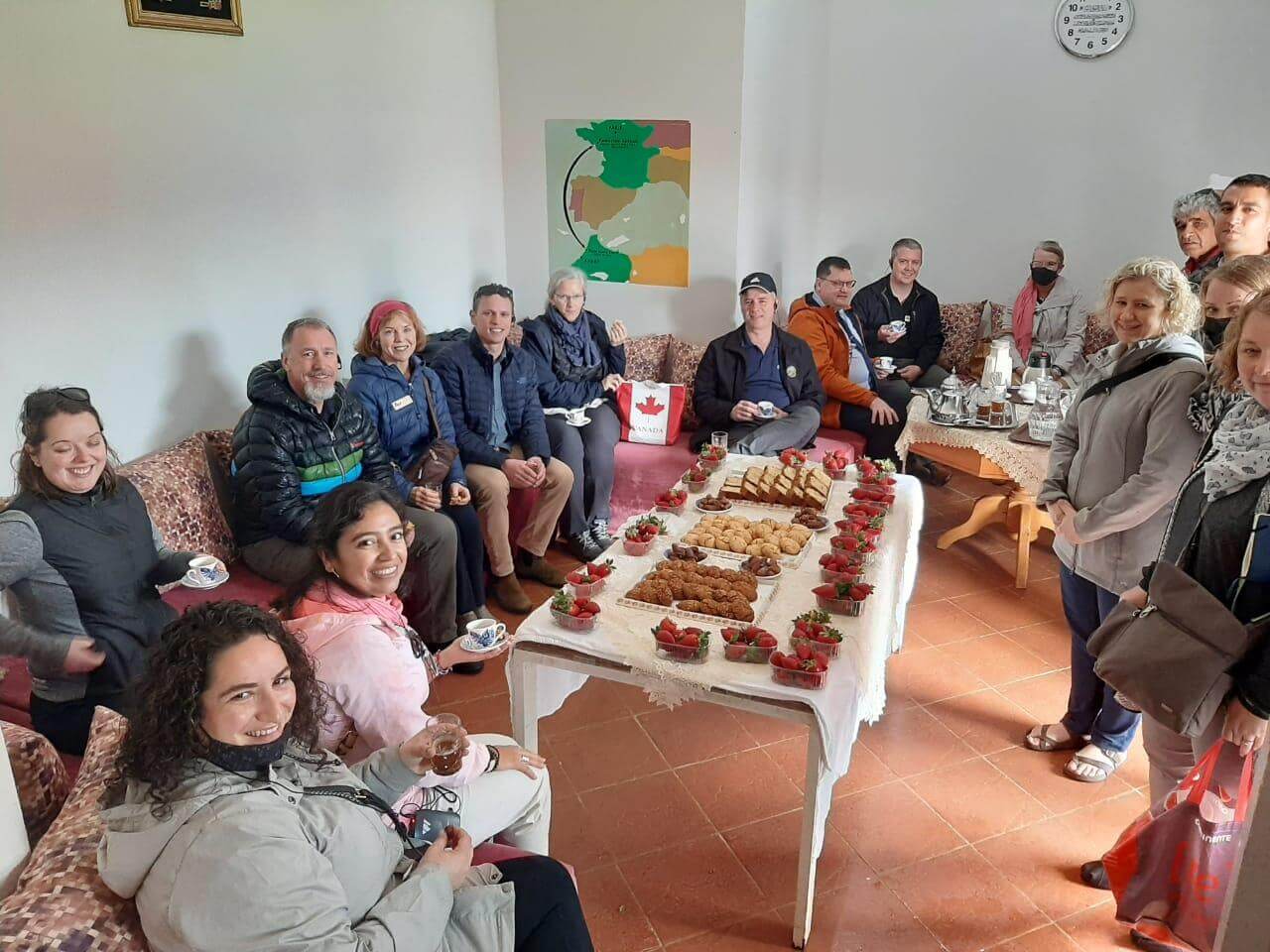
• designing itineraries that spend nights in rural regions
• sourcing food locally
• partnering directly with village initiatives
• limiting group size
• pacing journeys responsibly
Operators can create viable economic activity in areas that have long been overlooked.
Rural Morocco does not need charity.
It needs structural inclusion.
A Long-Term Vision
The future of sustainable tourism in Morocco is not vertical — it is horizontal.
It spreads.
It distributes opportunity.
It strengthens communities rather than centralizing benefits.
If Morocco invests seriously in a rural tourism strategy that balances infrastructure, environmental stewardship, and community ownership, it can become a reference model for destinations facing saturation elsewhere.
This is not idealism.
It is economic foresight.
A Quiet Responsibility
Rural Morocco holds the country's memory. Its landscapes carry agricultural knowledge, ecological wisdom, and social continuity.
Tourism, when done with dignity, can reinforce that memory.
If done carelessly, it can erode it.
The choice is not between growth and preservation.
The choice is between concentrated fragility and distributed resilience.
The future belongs to resilience.
Keep exploring
Discover more stories from Morocco and beyond
Written by
Hamid Mernissi
I was born to travel the world. I am an anthropologist, a Sufi seeker and a student of life.
Comments
No comments yet. Be the first to share your thoughts!
Leave a comment