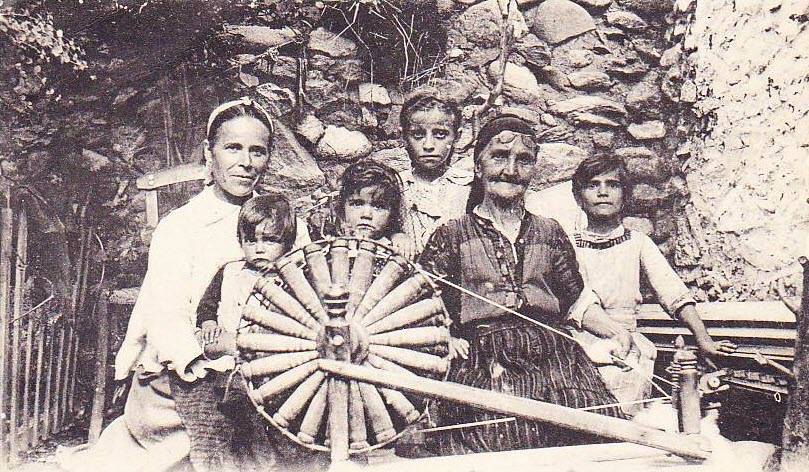
Notable Jews of Sefrou
Guardians of Memory and Tradition
Sefrou, often described as the quiet sister of Fez, has long been a place where cultures, faiths, and traditions lived in close proximity. Among its most enduring legacies is its Jewish community, which produced scholars, rabbis, poets, and spiritual figures whose influence extended far beyond the town itself.
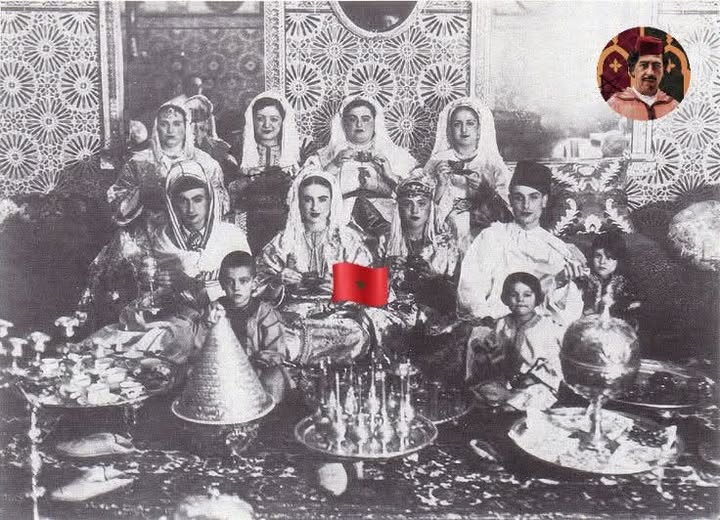
1. Abiṭbol Saul (Yehoshua ben Isaac) (1739–1809)
Yehoshua ben Isaac, known as Abiṭbol Saul, was one of the most prominent Jewish figures of Sefrou. He served as Chief Rabbi of the community during the late 18th century and was known by the honorific nickname “Hoab Shisha.”
A respected authority in religious law, he authored Abni Shas (“The Marble Stone”), published in Jerusalem. The work contains responsa, sermons, and detailed commentaries on the laws of ritual slaughter.
He passed away in 1809 during the reign of Sultan Moulay Sulayman.
2. Rahamim Giani (d. 1891)
A leading member of the distinguished Giani family of Sefrou, Rahamim Giani served as a rabbi and scholar of the community.
He co-authored Vayaked le-Avraham (“And He Said to Abraham”) with Abraham Halimi, a work that reflects on theological thought and interpretation.
He died in 1891 during the reign of Sultan Hassan I.
3. Samuel Giani
Samuel Giani, also a rabbi of Sefrou, spent part of his life in Tunisia before returning to his hometown. He left behind several manuscripts, primarily focused on halakhic rulings, contributing to the continuity of Jewish legal scholarship in the region.
4. Eliyahu ben Shimon ben Yehoshua Azulay
A member of the renowned Azulay family, Eliyahu ben Shimon was a 19th-century rabbi of Sefrou. His lineage connects him to a broader intellectual and spiritual tradition within Moroccan Jewry.
5. Shimon ben Yehoshua Azulay
Also, of the Azulay family, Shimon ben Yehoshua lived between the late 18th and early 19th centuries. He was known for his role as a rabbi and for his contributions to the community's religious life.
6. Mawl al-Jabal al-Kabir
This figure is mentioned in historical records under this name, though little detailed information survives. The name itself suggests a title or association with a place of spiritual or geographic significance.
7. Raphael Moshe Elbaz (1823–1896)
A remarkable figure of Moroccan Jewish culture, Raphael Moshe Elbaz was both a rabbi and a poet. He authored more than nineteen works on theology and religious thought, leaving behind a legacy that reflects both intellectual rigor and artistic expression.
8. (Unspecified Entry)
No information is available in the original source for this entry.
9. Lalla Sitti Mas‘uda al-Jarahiya
A revered female figure associated with spirituality and local tradition. While historical details are limited, her presence reflects the important role of women in the spiritual and social fabric of Sefrou.
10. Zahra al-Fasiya
A celebrated Jewish singer from Sefrou, Zahra al-Fasiya, became one of Morocco’s most iconic voices in Andalusian and popular music. Her life reflects the cultural interplay between Jewish and Muslim traditions in Morocco.
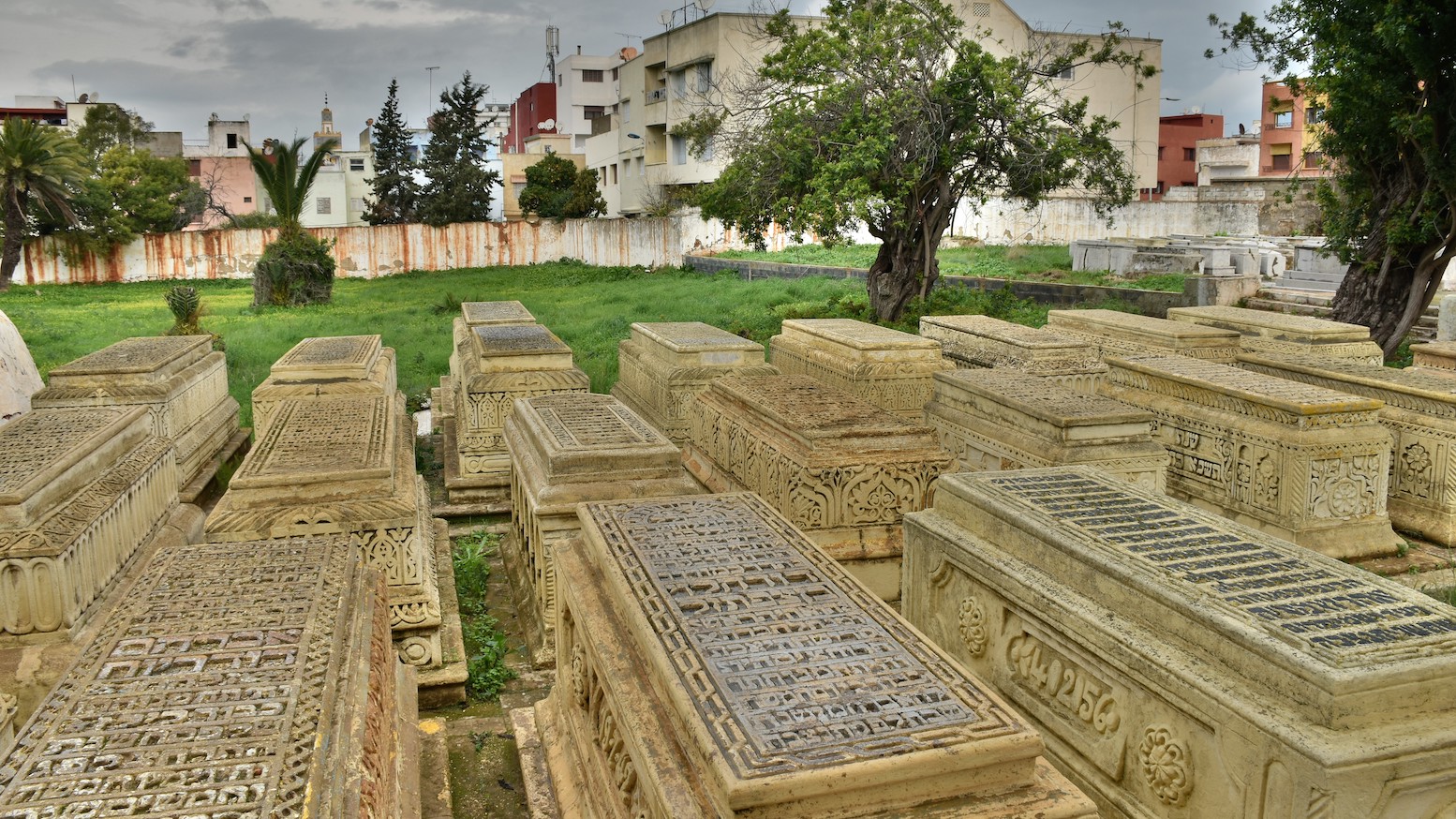
Closing Reflection
The Jewish figures of Sefrou were not only scholars and leaders; they were keepers of continuity.
They lived in a space where:
law met devotion
poetry met theology
and identity was shaped through coexistence
Their legacy remains not only in books and manuscripts,
But in the memory of a city where cultures once intertwined with quiet harmony.
Keep exploring
Discover more stories from Morocco and beyond
Written by
Hamid Mernissi
I was born to travel the world. I am an anthropologist, a Sufi seeker and a student of life.
Comments
No comments yet. Be the first to share your thoughts!
Leave a comment